Understanding Calorie Management
Explore the science of daily nutrition and energy balance
Introduction to Calorie Balance
Calorie balance is a fundamental concept in understanding how our bodies manage energy. Every food we consume provides energy measured in calories, and our bodies expend energy through various activities and metabolic processes.
This educational resource explores the principles of calorie management, helping you understand how different foods contribute to daily energy intake and how various activities affect energy expenditure. The information presented here is designed for educational purposes to build your knowledge about nutrition fundamentals.

Understanding Macronutrients

Macronutrients - carbohydrates, proteins, and fats - are the three primary components of food that provide calories and energy. Understanding how these nutrients function helps comprehend the overall calorie content of meals.
Carbohydrates provide 4 calories per gram and serve as the body's primary energy source. Proteins also provide 4 calories per gram and are essential for tissue structure and function. Fats provide 9 calories per gram and are important for hormone production and nutrient absorption.
The proportion of these macronutrients in your diet varies based on individual circumstances and preferences, with different ratios appropriate for different people and situations.
Meal Timing and Distribution
How meals are distributed throughout the day varies among individuals. Some people prefer three main meals, while others eat more frequent, smaller portions. From an educational perspective, understanding meal timing relates to how the body processes energy over time.
Different meal patterns can affect energy levels, hunger patterns, and overall daily calorie distribution. Regular meal timing can support consistent energy availability, though optimal patterns differ between individuals based on their lifestyle, preferences, and daily schedule.
The science of meal distribution continues to evolve, with research exploring various eating patterns and their effects on metabolic function and overall health.
Common Myths About Calories
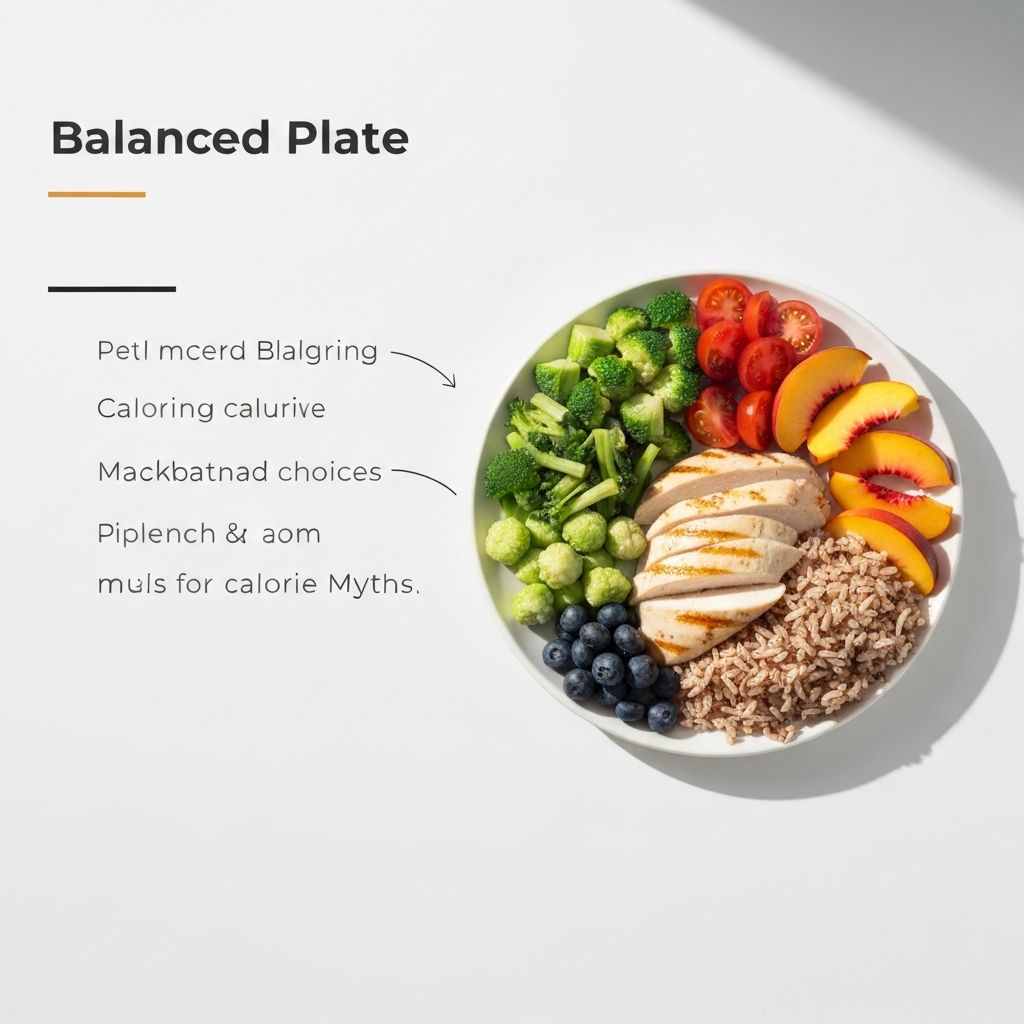
Myth: All calories are equal
While calories measure energy content, foods provide different nutrients, fiber content, and metabolic effects. A 100-calorie portion of different foods affects your body differently.
Myth: Skipping meals reduces daily calorie intake
Research shows skipping meals often leads to increased hunger later, potentially affecting overall daily food choices and eating patterns.
Myth: Certain foods burn calories during digestion
While all foods require energy to digest, the effect is minimal and accounts for only a small percentage of total daily energy expenditure.
Explore Further
Discover more detailed information about calorie management and nutrition science in our blog section.
Explore FurtherFrequently Asked Questions
A calorie is a unit of energy. In nutrition, when we refer to calories in food, we're actually talking about kilocalories (kcal), which is the amount of energy required to raise the temperature of one kilogram of water by one degree Celsius.
Daily calorie needs vary based on age, sex, activity level, metabolism, and body composition. Factors like exercise, occupation, and daily movement all influence energy requirements. This variation explains why different people have different nutritional needs.
Different foods provide different combinations of macronutrients, micronutrients, and fiber. A varied diet incorporating vegetables, fruits, whole grains, proteins, and healthy fats provides diverse nutritional benefits beyond just calorie content.
Physical activity increases energy expenditure. Different activities burn different amounts of calories based on intensity, duration, and individual factors like body weight and fitness level. Regular physical activity affects overall energy balance and metabolic health.
Individual nutritional needs and preferences vary significantly based on genetics, activity level, food preferences, cultural background, health status, and personal goals. What works well for one person may not be optimal for another.